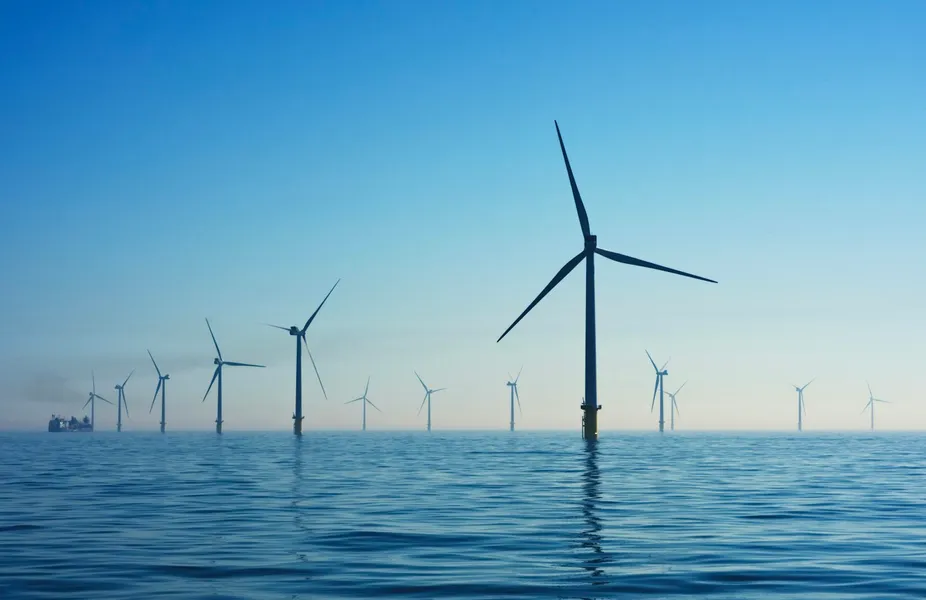
A wind turbine tower is often more than 200 feet tall, and the technician who services it climbs it in a fall-protection harness with tools in hand. That is one version of a “green job.” Another is an analyst in a quiet office, checking a building’s energy bills for waste. Both count, and they have almost nothing in common.
That is the first thing to understand about this field. “Green energy” and “sustainability” cover a huge range of work, with different pay, training and risks. This guide sorts the jobs into groups, shows what the government’s own occupation data says about a few of them, and gives you a way to test whether a path makes sense where you live. It is general career information, not a promise of any job or salary.
What counts as a green job
There is no single official definition. People use the label for work that produces clean energy, uses resources more efficiently, protects the environment, or helps organizations measure and cut their environmental impact. The Department of Energy’s annual energy employment report, for example, sorts the workforce into five sectors: transmission, distribution and storage; electric power generation; fuels; energy efficiency; and motor vehicles and parts. Other trackers draw the line elsewhere.
That matters when you read headlines. Two reports can describe the same year and reach different totals because they count different things. Treat any single number as one view, not the final word.
It matters in job postings too. A company with a green mission may be hiring a standard accountant. A plain-sounding job in construction may involve high-efficiency systems all day. Ignore the label and read the duties.
Key takeaways
- “Green jobs” is a broad label, not a single industry. Judge each role by its daily tasks, pay and training.
- Many hands-on roles are reachable through apprenticeships or certificates. Analyst and scientist roles usually ask for a degree.
- Fast percentage growth can sit on a small base, and demand moves with policy. Check local postings before you invest in training.
Five kinds of work
Most roles fall into one of these groups. The examples are illustrative, not a complete list.
| Type of work | Example roles | What the day looks like |
|---|---|---|
| Installation and construction | Solar installer, electrician, weatherization worker | Hands-on building, often outdoors or in attics and crawl spaces |
| Operations and maintenance | Wind turbine technician, plant operator, facilities technician | Inspecting, testing and repairing equipment so it keeps running |
| Engineering and design | Energy engineer, electrical engineer, project engineer | Designing, modeling and testing systems; usually a degree |
| Analysis, science and consulting | Energy analyst, sustainability analyst, environmental scientist | Collecting data, writing reports, advising on usage and impact |
| Policy, compliance and communication | Compliance specialist, program coordinator, energy advisor | Helping organizations meet rules, and explaining options to customers |
Behind all of these sit the ordinary support functions: project management, finance, logistics, sales and administration. If you are in one of those fields already, the industry may be a lateral move rather than a restart.
What the data says about four roles
The Bureau of Labor Statistics (BLS) publishes pay, training and outlook for hundreds of occupations in its Occupational Outlook Handbook. Here is what its pages show for four jobs tied to energy and the environment. Pay figures are national medians from May 2025, and outlook figures cover 2025 to 2035.
| Occupation | Median pay | Typical entry path | Projected growth |
|---|---|---|---|
| Solar photovoltaic installer | $53,140 | High school diploma; on-the-job training, sometimes an apprenticeship | 37% |
| Wind turbine technician | $64,120 | Postsecondary certificate or associate degree; long-term on-the-job training | 30% |
| Electrician | $63,190 | High school diploma; 4- to 5-year apprenticeship; state license in most states | 9% |
| Environmental scientist or specialist | $82,220 | Bachelor’s degree | 6% |
A few details help you read that table.
Solar installers assemble and maintain systems that convert sunlight to power. Most of the work is outdoors, often on rooftops, and BLS lists falls, electric shock and burns among the risks. Wind technicians do inspection, troubleshooting and repair, and employers or turbine makers typically train them on the specific machines they will service.
Electricians are not “green” by definition, but they are central to solar, storage and building upgrades. BLS says most complete an apprenticeship of roughly 2,000 paid hours a year, plus classroom instruction. The projected 9 percent growth is smaller than solar’s percentage, yet it translates into many more openings: about 72,700 a year, against about 4,200 for solar installers and 1,500 for wind technicians.
That comparison is the key lesson. High percentages sound dramatic, but BLS notes in its own analysis that the two fastest-growing occupations, wind technicians and solar installers, together add fewer than 20,000 jobs over the decade. A small base can produce a big percentage.
Read openings, not just growth
When you compare careers, look at “projected openings per year” next to the growth rate. Openings include people leaving or retiring, so they show how many chances a newcomer might actually have. Our explainer on how BLS employment projections work covers what these numbers do and do not tell you.
What the work is like day to day
Pay and growth rates only tell part of the story. The physical and daily reality decides whether you will stay.
Field roles. Solar installers spend most of their time outdoors, often on rooftops, and sometimes in attics and crawl spaces. They travel from site to site. Safety gear such as harnesses, gloves and hard hats is part of the job. Wind technicians work at heights well above 200 feet, and when a blade needs repair they may rappel down from the nacelle, the housing at the top of the tower, to reach it. If heights or tight spaces bother you, find out now, not after paying for a course.
Office and mixed roles. Analysts and consultants spend more time with spreadsheets, utility data and reports, and may visit buildings or plants for audits. Environmental scientists split time between fieldwork, such as collecting samples, and writing up findings. Compliance staff read regulations, track documents and prepare reports for managers or agencies.
What these roles share. Nearly every job in the field involves some mix of documentation, safety rules and working with other trades or departments. Employers value people who show up on time, follow procedures and communicate clearly, often more than they value a flashy title.
Questions that reveal fit
Ask yourself honestly:
- Do I like working outdoors in all kinds of weather?
- Am I comfortable with heights, heat or confined spaces?
- Would I rather build things, fix things, study things or explain things?
- Can I handle irregular schedules, travel or overtime?
- Am I willing to study for a license or certification?
Your answers point toward a group in the table above. That is a better filter than any “top 10 green jobs” list.
Myth versus fact
Myth: Every green job pays more than a comparable traditional job. Fact: Pay depends on the occupation, region and employer. The table above shows a wide spread, from about $53,000 for solar installers to about $82,000 for environmental scientists. Compare any offer with the median for that specific occupation in your area, not with a general idea of what “green” pays. BLS publishes state and metro wage data for most occupations, which makes that comparison easy to do.
Myth: You need a science degree. Fact: Some roles do, but the BLS pages for solar installers and electricians list a high school diploma as the typical starting point, followed by training.
Myth: The field is only for new graduates. Fact: Career changers are common, especially in the trades and in analysis, where experience from construction, finance or operations carries over.
Myth: Growth is guaranteed. Fact: BLS projections are estimates, not promises, and the E2 analysis described below shows that a year of decline is possible even in a sector with a long growth run.
How to get in without a four-year degree
Several of the best-documented routes skip the bachelor’s degree.
- Registered apprenticeships. You earn a wage while you train, and the program pairs on-the-job learning with classroom instruction. The Department of Labor’s Apprenticeship Finder at Apprenticeship.gov lets you search open apprenticeship opportunities by career path and location, and listings are tagged to show whether they follow registered standards.
- Community college and technical school programs. Certificates and associate degrees in electrical work, HVAC and energy or wind technology. BLS says wind technicians commonly come this way.
- Employer training. Solar installers typically learn on the job over anywhere from a month to a year, according to BLS. Wind technicians get long-term training on the specific turbines.
- Entry jobs with a ladder. Starting as a helper, laborer or assistant can lead to technical work if the employer promotes from within. Ask about it in the interview.
- Public workforce programs. Your state workforce agency and the nearest American Job Center can point you to local training, and some regions fund programs tied to nearby energy projects.
If you are not sure which route fits, start with the cheapest one that tells you something real: a conversation with a program coordinator, a visit to a class, or a short entry-level job. Information is cheaper than tuition.
Whatever you choose, ask who pays for tools, certifications and licensing. A credential no local employer asks for is an expensive souvenir.
Where a degree does help
Some paths are built around one. BLS says environmental scientists and specialists typically need a bachelor’s degree in environmental science, a natural science or a related field. The work includes collecting and analyzing samples, writing reports, advising businesses and officials, and helping projects comply with environmental rules. BLS projects 6 percent growth for 2025 to 2035, faster than average, with most openings coming from people changing occupations or retiring.
Engineering roles follow a similar pattern, as do many analyst jobs. If you have a degree in an unrelated field, you may not need another one. Data, finance and project management skills often transfer, and a targeted certificate can fill a gap.
Skills that carry over
You may be closer than you think. Employers in this field hire for work that exists in every industry.
- Electrical and mechanical know-how. Electricians, HVAC techs, auto and diesel mechanics, and industrial maintenance workers.
- Safety habits. Comfort with harnesses, lockout procedures and job-site rules, if you already work in construction, utilities or manufacturing.
- Data and spreadsheets. Utility bills, usage models and emissions reports are number-heavy.
- Project management. Installations and efficiency upgrades run on schedules, permits and budgets.
- Customer and sales skills. Someone has to explain options and costs to homeowners and businesses.
On your resume, describe what you did in terms the new field uses. If you taught yourself, our guide to showing self-taught skills on your resume and LinkedIn walks through how. Then adapt each application using the steps in how to tailor your resume for every job application.
Reality check on demand
Be careful with “booming” claims. The sector is sensitive to tax incentives, regulation, interest rates and the fate of individual projects.
Two recent data points show how mixed the picture is. According to a Mercom India summary of the E2 Clean Jobs America 2026 analysis, U.S. clean energy employment fell by 36,949 jobs in 2025, ending four years of growth. The same summary says the workforce, at more than 3.5 million, was still 16 percent above 2020 levels. Energy efficiency saw the largest drop, while storage and grid modernization added jobs. E2 ties the decline to changes in federal support, which is its own interpretation. The figures here come from that news summary rather than E2’s full report, so treat them as one reading of the data.
The Department of Energy’s 2026 U.S. Energy & Employment Report covers a broader definition of energy work, at national, state and county levels. The two reports use different definitions and methods, so do not stack their numbers side by side.
The practical conclusion is local. National totals will not tell you whether a solar contractor two towns over is hiring. Postings, apprenticeship openings and conversations with working people will.
Training that promises a job
Be skeptical of any program that guarantees employment, pushes you to enroll today, or asks for a large upfront payment. A legitimate program can tell you which local employers hire its graduates. Registered apprenticeships come with a paid job by design. Our list of job scam red flags applies to training offers too.
A four-week plan to test the waters
You do not have to quit anything to find out whether this is for you. Try this.
Week 1: Narrow it down. Decide which of the five work types fits you: building, maintaining, analyzing, advising or complying. Read the Occupational Outlook Handbook profile for one role in that group, including the work environment section.
Week 2: Check your market. Search postings within an hour’s drive. List the three requirements that show up most, such as a license, a certificate or a driver’s record. Note the pay ranges, and compare them with the national median.
Week 3: Talk to people. Ask two workers, or a program coordinator, a few questions. Offer a short, specific request rather than “Can I pick your brain?”
A short message to someone in the field
Hi [Name], I’m exploring a move into [solar installation / energy auditing] and saw that you work at [Company]. Could I ask you two or three questions about what a typical week looks like and what you’d look for in a new hire? Fifteen minutes by phone would be great, and I’m happy to work around your schedule. Thank you either way.
Week 4: Try it. Visit a training program, shadow someone for a day, take a short course or apply to one entry-level role. Then decide whether to enroll, apply or keep looking, and put a date on it. If you are early in your career, the advice in our entry-level job search guide can help you structure the hunt.
Questions to ask before you commit
- Does this job depend on a specific incentive or contract that could change?
- Who pays for training, licenses and tools, and what happens if I do not finish?
- What are the physical demands: heights, heat, confined spaces, travel or overtime?
- How do people advance, and what is the usual wage after one and three years?
- Can I talk to a recent graduate or apprentice about their results?
- Do the pay and demand claims come from sources I can check?
Mistakes to avoid
- Chasing the label. A title with “sustainability” in it is not automatically a good fit or a good salary. Read the tasks.
- Trusting percentages alone. Fast growth on a small base may mean few openings.
- Paying before researching. Verify the program with local employers first.
- Ignoring the physical side. Rooftops and towers are not for everyone. Find out early.
- Skipping licensing rules. Electrician licensing varies by state, so check your state’s requirements before you plan a path.
- Relying on one source. Compare federal data, industry reports and local postings.
The bottom line
Green energy and sustainability work is not one career. It is a set of trades, technical jobs, analysis roles and support functions, with a wide spread in pay, training and risk. Demand is real in places and uncertain in others.
Your next steps:
- Pick one role from the table and read its full BLS profile.
- Search local postings and list what they require.
- Look up registered apprenticeships and community college programs near you.
- Talk to two people who do the work.
- Set a date to enroll, apply or move on.
If you are weighing this against other practical fields, our overview of supply chain and logistics careers offers a comparable look.